All About International Surrogacy
📅 2026 Update: Changes in Surrogacy Laws and Practices
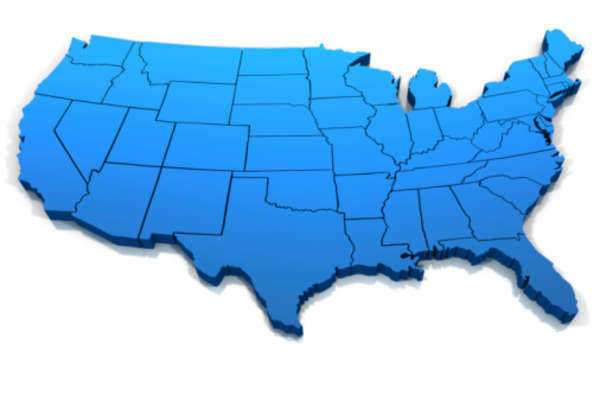
Since the original article was published, several significant changes have occurred in the landscape of surrogacy laws in the United States. New legislation has been introduced in states like Michigan and Massachusetts, altering how surrogacy agreements are formed and enforced. These changes aim to provide clearer guidelines for both surrogates and intended parents.
The earlier article continues further down the page, offering foundational information about international surrogacy.
📝 Michigan's Surrogacy Law Overhaul
Michigan has made a major shift in its surrogacy laws. As of April 2, 2025, the state repealed its previous ban on surrogate parentage agreements. The new Assisted Reproduction and Surrogacy Parentage Act allows for compensated gestational surrogacy.
Surrogacy agreements must now be notarized before any medical procedures can start.
📝 Massachusetts Introduces Surrogacy Legislation
Massachusetts has also updated its surrogacy laws. Starting January 1, 2025, surrogacy agreements are governed by Mass. General Laws c.209C § 28A.
This law sets requirements for both surrogates and intended parents, including age limits and the need for medical and mental health evaluations.
📝 New York's Proposed Amendments
In 2025, New York proposed amendments to the Family Court Act and General Business Law related to surrogacy agreements. These amendments aim to clarify definitions and requirements for both intended parents and surrogates, helping to ensure a smoother process for all parties involved.
💰 Current Surrogacy Costs
The total cost of a surrogacy journey in the U.S. has remained significant. As of 2026, it typically ranges from $140,000 to over $180,000. This amount includes surrogate compensation, medical procedures, legal fees, and insurance costs, reflecting the complexity of the process.
📌 Key Points to Remember
- 🏛️ Michigan's surrogacy law now allows compensated agreements with notarization required.
- 📜 Massachusetts has established guidelines for surrogacy contracts, including age and evaluation requirements.
- 🔄 New York is working to clarify surrogacy definitions and requirements.
- 💸 Surrogacy costs in the U.S. range from $140,000 to over $180,000.
- 🌍 International surrogacy remains largely unregulated, with ongoing discussions for standardization.
💡 Tips for Navigating Surrogacy Agreements
It's important to review the specifics of your situation with your attorney.
📝 Understand State Laws
Each state has its own laws regarding surrogacy. Be sure to familiarize yourself with the regulations in your state and how they may impact your surrogacy agreement.
📝 Choose Surrogates Carefully
Surrogates in Michigan and Massachusetts must meet specific eligibility criteria, including age and prior childbirth experience. Ensure that the surrogate you select meets these requirements to avoid complications.
📝 Get Legal Support
Having a legal professional experienced in surrogacy can help you navigate contracts and ensure that all agreements are valid. This is especially important in states with complex surrogacy laws.
📝 Consider Medical Evaluations
Both intended parents and surrogates may be required to undergo medical and mental health evaluations. Be prepared for these assessments as part of the surrogacy process.
📝 Review Costs Thoroughly
Understand the full scope of costs involved in a surrogacy journey. This includes payments to the surrogate, medical expenses, and legal fees, which can add up significantly.
🏆 Free Options Ranked by User Reviews (2026)
No national paid service in this area met the review threshold, so this section lists free government and nonprofit resources to assist those exploring surrogacy.
🥇 1. UCLA Law's Shield Laws Guide
UCLA School of Law offers a detailed guide on shield laws that protect reproductive health care. This resource can help individuals understand their rights and the legal landscape surrounding surrogacy.
🥈 2. Child Welfare Information Gateway
This government resource provides information on adoption and foster care, including aspects related to surrogacy and parental rights. It serves as a useful starting point for intended parents looking into their options.
🥉 3. National Center for Adoption
This nonprofit organization offers resources and information about adoption and surrogacy. They provide guidance and support for families considering these paths.
🔎 Things to Check Before Paying for Help
- 📜 Verify the legitimacy of the service provider.
- 🏛️ Ensure that they are familiar with your state's laws.
- 💬 Read reviews from previous users.
- 💰 Ask about any hidden fees in their services.
❓ Frequently Asked Questions
🤔 What are the eligibility requirements for surrogates in Michigan?
In Michigan, surrogates must be at least 21 years old, have previously given birth, and complete medical and mental health evaluations as outlined in the Assisted Reproduction and Surrogacy Parentage Act.
🤔 Are there any age restrictions for intended parents in Massachusetts?
Yes, intended parents in Massachusetts must be at least 21 years old and must also complete a mental health consultation as part of the surrogacy agreement process.
🤔 What should a surrogacy agreement include?
A surrogacy agreement should clearly outline the responsibilities of both the surrogate and intended parents, compensation details, and any medical evaluations required. Legal advice can help ensure all necessary details are included.
🤔 How has the cost of surrogacy changed over time?
The cost for a surrogacy journey has remained high, typically ranging from $140,000 to over $180,000 in 2026, reflecting the complexity and various expenses involved.
🤔 What ethical concerns exist regarding international surrogacy?
There are ongoing discussions about ethical issues in international surrogacy, especially concerning exploitation and the need for universal regulations to protect all parties involved.
🤔 How does a surrogate parent protect a child's rights in education?
Under federal regulations, public agencies must assign a surrogate parent to protect a child's rights when no parent can be identified, ensuring that the child's educational needs are met.
⚖️ Recent Court Cases Related to Surrogacy
Recent court rulings have impacted how surrogacy agreements are viewed under state laws. These rulings help clarify the rights and responsibilities of intended parents and surrogates.
- Hawaii Court Upholds Child Support Order in Family DisputeHawaii Intermediate Court of Appeals · August 18, 2026
- Court rules on juvenile's competency in battery caseCalifornia Court of Appeal · August 18, 2026
- North Carolina Court Remands Parental Rights Case for ReviewCourt of Appeals of North Carolina · August 19, 2026
- Court dismisses mother's appeal in parental rights caseCourt of Appeals of North Carolina · August 19, 2026
For more recent rulings, you can browse more rulings on the news page.
End of October 2026 Update
International surrogacy has become increasingly popular. Intended parents in the United States, may find their state laws unfavorable towards surrogacy.
As in the United States, laws regarding surrogacy will differ in each country. Intended parents should acquire the services of a surrogacy agency before they choose to take part in international surrogacy. They must also be sure to have experienced legal counsel.
There are many different agencies that can assist individuals wishing to take part in international surrogacy. Intended parents can utilize local agencies.
There are many ethical issues involved in international surrogacy. Intended parents must be sure that they respect the traditions and beliefs of their surrogate mother. Intended parents should be sure not to ask their surrogate mother to go against any religious or moral beliefs she has by taking part in surrogacy.
Intended parents should carefully research the country where their surrogate mother lives. By doing this, they can be more aware of what their surrogate mother’s circumstances may be and the conditions in which she lives. They will also be aware of the way that their surrogate mother will be treated by the agency they have chosen.
This is vital since intended parents will want their surrogate to be well-treated. They should be sure that she receives just compensation and has all of her needs address. By doing the appropriate research, intended parents can avoid disastrous consequences for the surrogate mother and child.
Commercialization
Surrogacy has been commercialized in many countries, including the United States. Each country has different laws regarding what is allowed or forbidden in regards to surrogacy. For instance, many countries strictly forbid compensation for surrogacy.
India
India has become an increasingly popular destination for parents seeking an international surrogate. Surrogacy is openly allowed and inexpensive. However, the Indian Government is drafting legislation regarding surrogacy. There are many issues regarding surrogacy that the Government wishes to address.
Intended parents considering hiring a surrogate from India should stay updated in case any new legislation is passed. Meanwhile, India offers many options for intended parents. There are many surrogacy agencies that offer different types of surrogacy in India.
Ukraine
Surrogacy in the Ukraine is also becoming a popular destination for parents seeking an international surrogate. At the moment of conception, legal custody is granted to the couple that has arranged the surrogacy. In essence, this means that they are able to make any decisions regarding the child. However, this can adversely affect the health and well-being of the surrogate mother.
While the immediate transfer of custody may be comforting for intended parents, they should be careful to not cause their surrogate mother any psychological, medical, physical, or moral harm. When asking things of their surrogate mother, they must also consider her religious beliefs. Intended parents should always look out for the interests of their surrogate mother.
Guatemala
In Guatemala, international surrogacy has been very popular. There are many reasons that Guatemala is a popular place to choose a surrogate. First, surrogacy in Guatemala is very inexpensive for intended parents. However, there is still a high standard for medical care extended to their surrogate and surrogate baby. In addition, Guatemala is located fairly close to many United States residents seeking a surrogate.
Last but certainly not least, surrogacy in Guatemala bears few restrictions. Any individual who wants to have a surrogate baby may do so in Guatemala. Many people that would be unable to use the services of a surrogate mother in the United States are able to do so in Guatemala.
Canada
Surrogacy in Canada is very strictly regulated. Commercial surrogacy is strictly forbidden. Surrogate mothers may only be compensated for any bills associated with the pregnancy. Fines and penalties for breaking surrogacy laws are harsh.
Unfortunately, those same laws are not explicit in explaining what is and is not allowed. Surrogate mothers can never be sure what expenses can be legally covered by the intended parents. No person should take part in surrogacy in Canada without expert legal advice.