What You Should Know About Focusing on Returning to Parents
📅 2026 Update: Recent Changes in Child Welfare and Foster Care
Since the original article was published, there have been several important updates in child welfare laws and foster care systems across the United States. These changes aim to improve the support and protection of children and families involved in these systems. The earlier article continues further down the page, providing foundational information on custody, child support, and parental rights.
🏛️ Massachusetts Child Welfare Reform
On August 7, 2026, Massachusetts enacted a new law that strengthens child welfare protections. This law enhances the support for children in foster care and expands family services. It also aims to improve educational stability for children and makes state government operations more transparent.
A significant feature of this law is the establishment of a Foster Child Bill of Rights, ensuring children receive respectful treatment and necessary support.
🛑 Minnesota Foster Care Legislative Changes
Minnesota's foster care system underwent changes starting in 2024. Notably, prone restraints and contraindicated physical restraints are now banned in child foster care settings. This is a key step in promoting the safety and well-being of children in foster care.
Additionally, new placements can occur in specialized settings that are certified under the Family First Prevention Services Act, effective July 1, 2024.
💵 Federal Non-Recurring Adoption Expenses
As of September 15, 2026, the federal reimbursement for non-recurring adoption expenses remains at $2,000 per child. This amount has not changed since 1986. However, considering inflation, it has lost two-thirds of its purchasing power over the past 40 years, impacting families looking to adopt.
💰 Tennessee Foster Care Board Rates
Tennessee updated its foster care board rates on July 1, 2026. Regular rates for children aged 0-11 are now $33.38 per day, while for those aged 12 and older, it’s $38.27 per day. Special circumstances can lead to higher rates, ensuring that children with greater needs receive appropriate support.
📋 Minnesota Foster Care Licensing Updates
Starting January 1, 2025, Minnesota will make license holders’ email addresses public data. This aims to improve communication between the Department of Human Services and licensed foster care providers. Additionally, the agency will consider family relationships when reviewing background studies for relative caregivers seeking licenses.
📌 Key Points from 2026 Updates
- 🏛️ Massachusetts enhances child welfare protections and introduces a Foster Child Bill of Rights.
- 🛑 Minnesota bans certain restraints in foster care settings and allows new placements in specialized settings.
- 💵 Federal adoption expense reimbursement remains unchanged at $2,000 since 1986.
- 💰 Tennessee updates foster care board rates for different age groups.
- 📋 Minnesota will make foster care license holders' email addresses public starting in 2025.
💡 Tips for Navigating Child Welfare Systems
Review your unique situation with an attorney to understand the best way forward for your family.
📖 Understand State-Specific Laws
Each state has unique laws regarding child welfare. Familiarize yourself with your state's specific regulations, as they can significantly impact custody and support decisions.
📞 Utilize Family Support Services
Many states offer family support services that can provide essential resources. These services can help families navigate challenges and maintain stability during difficult times.
📚 Explore Educational Stability Options
If a child is involved in the child welfare system, ensure their educational needs are met. Look into laws that promote educational stability for children in foster care.
👪 Consider Kinship Care
If you're a relative of a child needing care, explore kinship care options. Minnesota, for instance, considers the importance of maintaining family connections in licensing decisions.
📊 Stay Informed About Financial Assistance
Federal reimbursement for adoption expenses is limited, so it's crucial to explore all available financial assistance programs in your state to help with adoption costs.
🤝 Seek Local Nonprofit Resources
Many nonprofits offer assistance for families navigating child welfare issues. These resources can provide valuable support and guidance without the costs associated with private services.
🏆 Free Options Ranked by User Reviews (2026)
No national paid services met the review threshold for this topic, so this section highlights valuable free government and nonprofit resources.
🥇 1. Minnesota Department of Human Services
This agency offers resources and guidance for those interested in becoming licensed foster care providers. They provide essential information on the licensing process, including helpful workshops and support services.
🥈 2. Massachusetts Department of Children and Families
This department focuses on child welfare and family support services. They ensure that children in foster care receive proper care and that families have access to necessary resources for support.
🥉 3. Tennessee Department of Children’s Services
Tennessee's agency provides information on foster care rates and support programs. They help families understand the foster care system and provide various resources to assist with the process.
4️⃣ Child Welfare Information Gateway
This resource offers a wide array of information on child welfare, including adoption, foster care, and child protection. It connects families with necessary tools and resources to navigate the child welfare system effectively.
5️⃣ National Foster Care Coalition
This coalition advocates for improvements in the foster care system across the country. They provide resources for families and professionals to better understand foster care policies and practices.
🔎 What to Check Before Paying for Help
- 🔍 Verify credentials of any service provider.
- 📄 Ensure the provider has a good reputation in your area.
- 💬 Read reviews and testimonials from other users.
- 🏷️ Understand the costs upfront and what services are included.
- 📞 Confirm that the provider offers a clear communication channel for ongoing support.
❓ Frequently Asked Questions
🤔 What is the Foster Child Bill of Rights?
The Foster Child Bill of Rights, established in Massachusetts, ensures that children in foster care are treated with dignity and receive vital support for their needs.
🏠 Are there any kinship care options available?
Yes, many states, including Minnesota, offer kinship care options that allow relatives to care for children while considering family connections in the licensing process.
📅 How can I stay updated on changes in child welfare laws?
Regularly check your state’s department of human services website and local news sources for updates on child welfare laws and policies affecting families.
📞 What resources are available for families facing challenges in foster care?
Many states offer family support services, and nonprofit organizations can provide guidance and assistance to families navigating foster care challenges.
💰 How can I find financial assistance for adoption?
Explore local and state resources for financial assistance programs, as well as federal reimbursement options for non-recurring adoption expenses.
📝 What should I do if I have concerns about a child's welfare?
If you have concerns about a child's safety or welfare, report it to your local child protective services or law enforcement for immediate assistance.
⚖️ Recent Cases Affecting Child Welfare
Recent court rulings have focused on the rights of children in foster care and the responsibilities of state agencies. These rulings are crucial to understanding how child welfare laws are applied in practice.
- New York court rules on custody, family offense caseAppellate Division of the Supreme Court of the State of New York · June 11, 2026
- Georgia Court Rules on Child Custody and Grandparent VisitationCourt of Appeals of Georgia · June 11, 2026
- Court dismisses custody appeal as moot after child ages outAppellate Division of the Supreme Court of the State of New York · June 11, 2026
- New York court affirms child support modification rulingAppellate Division of the Supreme Court of the State of New York · June 11, 2026
For more recent rulings, browse more rulings on the news page.
End of October 2026 Update
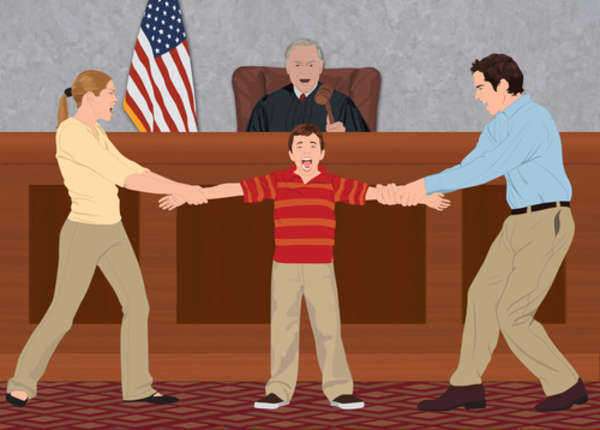
Reuniting a child in foster care with their birth parents is not always in the best interest of the child. The child was removed from the care of their parents because of atrocious behavior; because they were unfit to be a parent. There is no guarantee that the parent won’t relapse and continue to neglect or abuse the child.
It may be in the best interest of the child to be adopted by a loving and a supportive family. Though in some cases, reuniting a child with their biological parents is beneficial, it is not always the child's best option and it should not be forced. All aspects and possible outcomes should be analyzed before a child is permanently placed anywhere with anyone.