Quick Overview to Sexual Child Abuse
📅 2026 Update: Changes in Child Protection Laws
Since the original article was written, there have been no specific updates or changes reported regarding child abuse laws in the United States that would affect its core information. The general framework surrounding custody, child support, and child protection remains the same. The earlier article continues further down the page, providing foundational knowledge on these important topics.
📖 Recent Trends in Child Protection Laws
Changes in child protection laws often reflect societal shifts. However, no specific new laws or amendments have been documented recently that would impact the fundamental principles discussed in the original article.
🏛️ The Role of Foster Care
Foster care continues to be a vital part of child protection. It ensures that children in unsafe situations are placed in safe homes. States may have different processes, but the goal remains the same: protecting children.
🏠 Adoption Services Accessibility
Adoption services are still essential for many families. However, keep in mind their services may vary by region.
⚖️ Custody Arrangements for Parents
Custody laws help determine where children will live and who makes decisions for them. These arrangements are based on the best interests of the child.
🛡️ Child Protection Resources
Various resources are available for families dealing with child protection matters. These resources help parents understand their rights and seek assistance. Local support groups and government agencies can provide guidance.
📌 Key Points Summary
- No recent major changes in child protection laws.
- Foster care remains critical for child safety.
- Adoption services are available but may differ by location.
- Custody laws focus on the child's best interests.
- Resources exist to support families in navigating the legal system.
💡 Tips for Navigating Child Protection Issues
Review the details of your situation with an attorney to ensure you understand your rights and options.
📑 Understand Your Rights
It’s important to know your legal rights regarding custody, adoption, and child support. Familiarizing yourself with these can help you navigate the complexities of family law.
📞 Seek Local Support
Look for local organizations that offer support for families dealing with child protection issues. They can provide information about resources and services available in your area.
📚 Stay Informed About Legal Changes
Laws can change over time. Keep yourself updated on any new legislation that may affect child protection and family law in your state.
📋 Document Everything
If you are involved in a custody or adoption case, keep detailed records of all communications and documents. This can be crucial for any legal processes you may encounter.
🛠️ Utilize Available Resources
Many resources exist to help families understand their options. Take advantage of government and nonprofit programs that provide guidance and support.
❓ Frequently Asked Questions
❓ What should I do if I suspect child abuse?
If you suspect child abuse, it is crucial to report it to local authorities or child protective services. They are trained to handle such cases and can take appropriate action.
📅 How does custody work in different states?
Custody laws vary by state. Each state has guidelines on how custody is determined, focusing on the child's best interests.
🏠 What is the process for adopting a child?
The adoption process typically involves several steps, including home studies, background checks, and legal paperwork. Each state may have specific requirements.
⚖️ Can fathers receive equal custody rights?
Yes, fathers can receive equal custody rights. Laws increasingly recognize the importance of both parents in a child's life.
🛡️ What resources are available for parents in custody disputes?
Parents can access various resources, including local support groups, legal aid organizations, and parenting classes to help navigate custody disputes.
📚 How can I find legal assistance for family law?
To find legal assistance for family law, consider local legal aid offices, nonprofit organizations, or online resources that specialize in family law matters.
⚖️ Recent Cases Related to Child Protection
Recent court rulings highlight ongoing issues in child protection and custody arrangements. These cases showcase how laws are applied in real-life situations involving children and families.
- Court upholds ruling against father in custody dispute caseAppellate Division of the Supreme Court of the State of New York · July 22, 2026
- New York Court Rules on Adoption Case Involving Agency ConsentAppellate Division of the Supreme Court of the State of New York · July 22, 2026
- New York court grants father sole custody in family disputeAppellate Division of the Supreme Court of the State of New York · July 8, 2026
- New York court reverses father’s child support violation rulingAppellate Division of the Supreme Court of the State of New York · July 8, 2026
For more recent rulings, feel free to browse more rulings on the news page.
End of October 2026 Update
Sexual child abuse occurs when an adult forces or allows a child to take part in any form of sexual activity in order to experience sexual stimulation. Approximately 90,000 instances of sexual child abuse are reported every year. It is estimated that 25% of women and 15% of men were exposed to sexual child abuse as children. Sexual child abuse includes displaying genitals to a child, making a child expose his or her genitals, exposing a child to pornography or using a child to create pornography. Touching a child's genitals or making a child fondle another individual's genitalia is sexual child abuse, as well as penetrating a child.
Physical abuse may accompany sexual abuse. However, if the perpetrator is a relative or someone who is close to the family, then they will attempt to keep the physical markers minimal so that they are not noticed. Often, a sexual child abuse victim will not tell anyone about the behavior that is being inflicted on them because they will be afraid that people will not believe them. If the abuse is being inflicted by a family member, then they may not expose the secret because they fear that telling anyone about the abuse will anger or destroy their family.
Many children who experience sexual child abuse feel ashamed and guilty, and they feel that if they tell anyone about what is happening to them they will be the one who is blamed for the abuse. The individual who is inflicting the abuse may silence the child by threatening them in a variety of different ways. Even if there is no apparent physical evidence of sexual abuse, there will usually be psychological markers that are very evident.
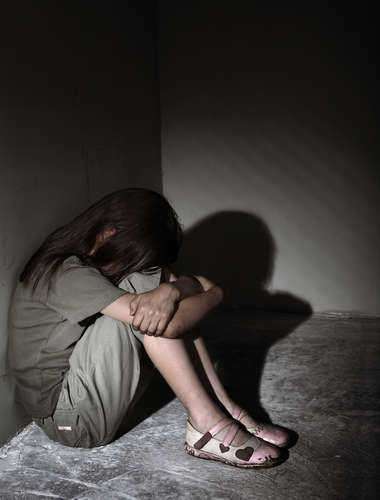
Sexual abuse is extremely traumatic for a child, especially when the offender is someone that the child loves and trusts. Sexual abuse may have long lasting psychological effects on the child abuse victim. A sexual child abuse victim may develop severe depression and become extremely antisocial. They may not engage with their friends and family in the way that they used to.
They may begin to fall behind in school or display an unwillingness to go to school. Often, a sexual child abuse victim will feel uncomfortable with the normal affection that they receive from friends or family members. Victims may also become extremely uncomfortable with anything of a sexual nature and may become uncomfortable changing their clothes in front of anyone. On the other hand, some victims will be begin to display knowledge of a sexual nature and they may become sexually active at a young age.
A sexual child abuse victim may feel that they are worthless and may develop the mentality that their body is dirty. Oftentimes a victim of this form of abuse will become aggressive or nervous around adults. They may become extremely wary of trusting adults. In most cases, a child who has been subjected to sexual abuse will experience a change in behavior or a change in personality.