Easy To Read Child Abuse Blurb
📅 2026 Update: Changes in Child Abuse Laws
Since the original article was published, there have not been major updates to child abuse laws in the United States that change the legal landscape significantly. However, understanding the current resources available for families dealing with child abuse is crucial. You can find more information and details in the original article further down the page.
🛡️ Recent Resources for Families
Access to legal resources has improved. Organizations are now more focused on providing guidance for parents navigating custody and child protection laws. Families can find tailored support to deal with issues related to child abuse.
- 🔍 Free Legal Resources: Several nonprofits and government programs offer free assistance for families dealing with child abuse cases. These options help parents understand their legal rights and available support systems.
📊 Updated Trustpilot Reviews
Public reviews for legal services have changed, reflecting user satisfaction and experiences. Many services are rated higher now, indicating a shift in customer perceptions.
- 📈 User Feedback: The number of reviews has increased, giving a broader picture of what families experience when seeking legal help. More reviews can lead to improved service quality as companies respond to feedback.
📅 Changes in Fees and Services
Fees for legal consultations may vary across different providers, and many are now offering more flexible payment plans. This change allows families to access legal help without significant financial burden.
- 💵 Affordable Options: Some services are now subscription-based, which may help families manage costs more effectively. This can be especially important for those facing ongoing legal issues.
🏛️ Increased Focus on Child Protection
There is a heightened emphasis on protecting children's rights within the legal system. Recent advocacy efforts have pushed for better enforcement of existing laws and improved support for affected families.
- 👥 Advocacy Groups: More organizations are working to raise awareness about child abuse and provide resources to families. These groups often offer workshops and information sessions.
📌 Key Points to Remember
- 📅 Legal resources have improved for families dealing with child abuse.
- 🔍 Free assistance is available through nonprofits and government programs.
- 📊 Trustpilot reviews indicate higher satisfaction among legal service users.
- 💵 Many services now offer flexible payment plans for consultations.
- 🏛️ Advocacy efforts are focused on enhancing child protection laws.
💡 Tips for Navigating Child Abuse Issues
Review the details of your situation with an attorney to ensure you understand your rights and options.
📝 Understand Your Rights
Know your legal rights regarding child custody and protection. Familiarizing yourself with the laws can empower you to act effectively in your situation.
🤝 Seek Support Networks
Reach out to local organizations that specialize in child protection. Support from these groups can provide guidance and resources tailored to your needs.
📄 Document Everything
Keep thorough records of any incidents or concerns related to child abuse. Having detailed documentation can be vital in legal proceedings.
🏠 Create a Safe Environment
Focus on creating a safe and nurturing environment for your child. This can be a key factor in any legal assessments or custody decisions.
🗣️ Communicate with Authorities
If you suspect abuse, communicate your concerns to the appropriate authorities immediately. Prompt reporting can help protect the child and initiate necessary interventions.
📚 Stay Informed
Keep updated on changes in child protection laws and policies. Understanding the latest legal landscape can help you make informed decisions.
❓ Frequently Asked Questions
❓ What should I do if I suspect child abuse?
Report your concerns to local authorities. They can investigate the situation and take necessary action to protect the child.
🤔 How can I prove child abuse in court?
Gather all relevant evidence, including photographs, documents, and witness statements. Maintaining detailed records can support your case.
📞 Can I get legal help for free?
Yes, many government and nonprofit organizations provide free legal assistance for families facing child abuse issues. Check local resources for options.
👨👧 What are the signs of child abuse?
Signs can include unexplained injuries, changes in behavior, withdrawal, or fear of certain individuals. If you notice these signs, it’s important to take them seriously.
🏛️ How do I find a legal service for child custody issues?
Research services that specialize in family law and child custody. Look for user reviews to assess their reputation and effectiveness.
📅 Are there deadlines for reporting child abuse?
Yes, it’s crucial to report concerns as soon as possible. Delaying may affect the safety of the child and the ability to take legal action later.
⚖️ Recent Cases Related to Child Abuse
Recent court rulings reflect ongoing efforts to address child abuse issues within the legal framework. These cases highlight the importance of child protection and parental rights.
- Texas Court affirms termination of father's parental rightsTexas Court of Appeals, 7th District (Amarillo) · October 7, 2026
- Florida Court Affirms Child Support Ruling in Appeal CaseDistrict Court of Appeal of Florida · October 8, 2026
- Indiana court affirms termination of father's parental rightsIndiana Court of Appeals · October 8, 2026
- Texas Court Rules on Child Custody Dispute in Divorce CaseTexas Court of Appeals, 9th District (Beaumont) · October 8, 2026
For more information, feel free to browse more rulings on the news page.
End of October 2026 Update
Child abuse
is a widespread national and international problem. A child is suffering from
abuse when they are subjected to behavior that is physically, psychologically,
or emotionally harmful. Child maltreatment can have an extremely detrimental
effect on a child's social and emotional development.
Abuse does
not necessarily include physical violence. There are various forms of child
abuse, including physical abuse, sexual abuse, psychological abuse,
abandonment, and neglect. A child is also suffering from abuse if they are
living in an environment in which their parents or caregivers are often
inebriated due to the consumption of drugs or alcohol. All of these forms of
abuse may cause a child to experience long term adverse consequences.
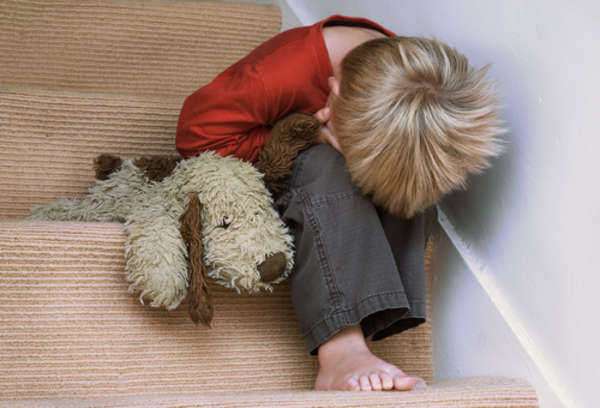
Physical
abuse may result in permanent physical damage to a child's body, including
irreversible deformities. A child who is suffering from this type of abuse may
display indicators such as bruises, lacerations, or broken bones.
A child who
is suffering from neglect may not be receiving adequate amounts of food or
water, and as a result, the child may appear to be extremely malnourished or
emaciated. Sexual abuse may also leave a child with physical indicators, such a
bruising, cuts, and infections of the urinary tract. More often, sexual abuse
leaves a child with deep emotional scarring. This is also a common effect of
neglect.
As a result
of these forms of abuse, as well as emotional abuse, a child may develop severe
psychological issues. These may include depression, post traumatic stress
disorder, trust issues, and the inability to form meaningful relationships with
other people. These consequences may remain with an individual into adulthood
and continue to affect their behavior long after the abuse has ended. These are
just a few of the many possible effects of child maltreatment. There are a vast
array of negative results of child abuse and neglect.
A variety of different national and international
organizations have been developed in order to help prevent children from
experiencing child abuse and neglect. These organizations often focus on
education as the primary method of child abuse prevention. Many of these
associations have developed programs that successfully teach parents and
caregivers how to manage their stress and avoid aggressive behavior. They seek
to raise public awareness about the causes, risk factors, and effects of child
maltreatment. These organizations collect and distribute information to
individuals and professionals across the globe.
Many states
within the United States have developed legislation in order to help prevent
child abuse and to punish individuals who are responsible for subjecting
children to maltreatment. Child abuse has a long and troubling history.
Although child abuse is now denounced in most places throughout the world, it
continues to occur, and much too frequently. It is essential that individuals
and organizations continue making strides to stop maltreatment and prevent
child abuse and neglect from occurring.