Be Aware Child Abuse Can Cause Death of a Child
📅 2026 Update: Progress in Child Protection Measures
Since the article was written, significant changes have occurred in child abuse prevention and treatment. Notably, there has been a decline in both reported child maltreatment cases and child fatalities due to abuse and neglect. The earlier article continues further down the page, providing more context on these important issues.
📉 Decline in Child Maltreatment Reports
From 2020 to 2023, there was a decrease in substantiated or indicated child maltreatment cases. This is notable given that referrals to child welfare agencies increased during the same period. This shift may suggest improvements in awareness and reporting practices.
🛡️ Decrease in Child Fatalities
In 2024, child fatalities due to abuse and neglect declined to 1,773, down from 1,979 in 2023. This reduction highlights efforts to enhance child protection and intervention strategies.
💰 Increased Funding for Child Welfare Services
For fiscal year 2026, roughly $212 million was allocated for Child Abuse Prevention and Treatment Act (CAPTA) programs. These funds support state grants, community-based prevention programs, and research aimed at protecting children from abuse.
📜 Changes in Reporting and Legal Action
As of 2026, at least 19 states have eliminated civil statutes of limitations for child sexual abuse claims. Additionally, 44 states have removed criminal time limits for felony child sex offenses. This enables survivors to seek justice more effectively and has potential implications for child protection.
📌 Key Points
- 📉 Decrease in child maltreatment reports from 2020 to 2023.
- 🛡️ Child fatalities decreased to 1,773 in 2024.
- 💰 $212 million allocated for CAPTA programs in 2026.
- 📜 Many states have removed limitations on child sexual abuse claims.
- 🔍 Ongoing efforts are being made to improve child protection measures.
💡 Tips for Understanding Child Abuse Laws
Review the specifics of your situation with your attorney.
📝 Know Mandatory Reporting Requirements
Certain professionals, such as healthcare providers and teachers, must report suspected child abuse or neglect. Understanding these requirements can help ensure that potential cases are reported swiftly.
🔍 Understand Eligibility for Services
Eligibility for child welfare services varies by state. Generally, these services are available to children who have experienced abuse or are at risk of it.
⏳ Be Aware of Investigation Timelines
Investigation timelines for child abuse cases can differ by state. Knowing your state's guidelines can help you navigate the process more effectively.
📅 Familiarize Yourself with Statutes of Limitations
As of 2026, many states have removed limitations on civil claims for child sexual abuse. This change can impact the legal options available to survivors.
📞 Utilize Available Resources
Organizations like the Child Welfare Information Gateway offer free resources on child abuse prevention. These resources can provide valuable information and support.
🤝 Explore Nonprofit Support Options
The National Children's Alliance provides support for child advocacy centers. These centers can help children affected by abuse access necessary services.
🏆 Services Ranked by User Reviews (2026)
The following services provide legal assistance and information relevant to child protection issues. Their ratings come from Trustpilot data checked in October 2026. Ratings can shift over time, and unhappy customers might leave more reviews than satisfied ones.
🥇 1. LegalFlow
LegalFlow has been rated 4.5. It is known for professional legal document preparation and offers affordable, fast services. However, some users report delays in customer support response times, which may affect the overall experience.
🥈 2. Gavel
Gavel holds a score of 4.7. It specializes in AI-driven family law document drafting with jurisdiction-specific templates. Yet, it is limited to Southeastern U.S. states, and users may need to manually review generated documents for accuracy.
🥉 3. CaseForward
CaseForward averages a score of 4.3. It provides self-help family law guidance and state-specific legal information. Some users find the interface complex, and it does not offer legal advice, which could limit its usefulness for some.
4️⃣ LegalShield
LegalShield has a Trustpilot score of 4.0. It is recognized for online legal advice and document review, providing affordable legal plans. However, some users have noted limited coverage in certain areas, which may affect its accessibility.
🆓 Free Resources for Child Welfare
Organizations like the Child Welfare Information Gateway and the National Children's Alliance offer free resources for child abuse prevention and support services. These can be valuable for those seeking help without legal costs.
🔎 Factors to Compare When Choosing Services
- 📈 Trustpilot ratings and review counts.
- 🔍 Range of services offered, especially related to family law.
- 💸 Pricing and affordability of services.
- 🗺️ Geographic availability and accessibility of support.
- ⚖️ User experiences regarding customer service and responsiveness.
❓ Frequently Asked Questions
🤔 What should I do if I suspect child abuse?
If you suspect child abuse, it is crucial to report it to the appropriate authorities. Professionals like teachers or healthcare providers are legally required to report suspected cases.
📚 How can I find legal resources for child protection?
There are various legal resources available, such as the Child Welfare Information Gateway. This organization provides information on child abuse prevention and reporting.
🚨 What are the signs of child abuse?
Signs of child abuse can include unexplained injuries, changes in behavior, and withdrawal from friends or activities. It's important to take these signs seriously and report them.
📅 Are there deadlines to report child abuse?
While some states have specific timelines for reporting, it is generally best to report suspected abuse as soon as possible. This ensures that investigations can begin promptly.
🏛️ What happens after a report of child abuse is made?
After a report is made, child protective services will usually investigate the claims. The timeline and process can vary by state and the details of the case.
🧑⚖️ How can statutes of limitations affect child abuse cases?
Changes in statutes of limitations can allow survivors to file claims that were previously time-barred. This can significantly impact the legal options available to victims of child abuse.
⚖️ Recent Cases Related to Child Abuse
Recent court rulings have focused on child protection laws, particularly regarding child maltreatment and related claims. These rulings reflect ongoing efforts to strengthen legal responses to child abuse.
- Florida court denies juvenile's request for sentence reviewDistrict Court of Appeal of Florida · October 14, 2020
- Florida court orders written revocation for juvenile's probationDistrict Court of Appeal of Florida · October 28, 2020
- Florida court reverses juvenile theft ruling over fees, restitutionDistrict Court of Appeal of Florida · December 11, 2020
- Florida court affirms life sentence for juvenile offenderDistrict Court of Appeal of Florida · January 6, 2021
For more recent rulings, check out more rulings on the news page.
End of October 2026 Update
Physical abuse, sexual abuse, or neglect can cause a child to sustain many severe and long term injuries, many of which may be fatal. In many cases of child abuse, a child is inflicted with violence and brutality repeatedly. They may receive beatings over an extended period of time.
A child who is suffering from this form of repeated abuse may experience physical child abuse trauma on a daily basis. This can cause a child to sustain severe and irreversible injuries. A child may become deformed due to bone fractures that are not treated properly. In many instances, a child living in this type of situation will die, many of them from Battered Child Syndrome.
It is estimated that four children die every day due to child abuse trauma or neglect. The majority of these children have not yet reached the age of four. Once a child reaches the age of seven, the likelihood that they will be killed due to child abuse trauma is very small.
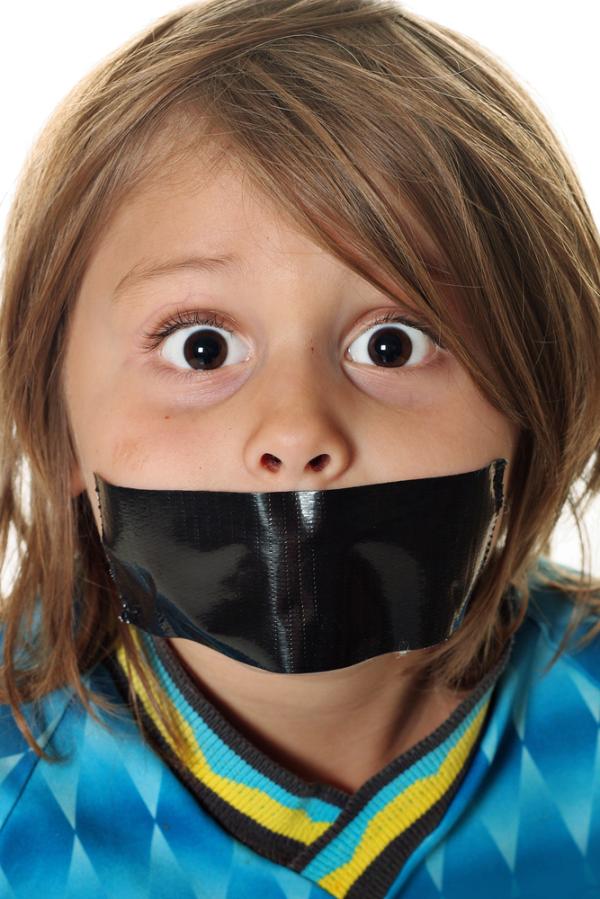
Cases of child abuse occur in every racial and socioeconomic group. This growing epidemic has no boundaries and it crosses all lines. Studies have shown that almost half of the annual deaths due to child abuse trauma and neglect were suffered by white children. African-American children made up a little over a quarter of the cases of child abuse that resulted in death, and Hispanic children made up a little under a quarter of child abuse deaths.
The majority of child abuse-related deaths were caused by a combination of different forms of child abuse. It is important to note that neglect accounts for most of the cases of child abuse that result in death, not child abuse trauma. If a parent subjects a child to neglect, it may be deadly.
Often in cases of neglect, a parent will be withholding food or water from a child, and this will result in malnourishment and starvation. Fatal neglect may also take place when a child is left alone, unwatched, and sustains injuries that are deadly because parental supervision was lacking.
An example of this may be if a child drowns or runs into the street and is hit by a car. Another example, which occurred in Boston in 2008, is if a child is not supervised and falls out of a window. In these types of situations, an investigation will take place in order to determine if the incident was accidental or if the child was the victim of neglect.
Medical neglect also accounts for a very small portion of the cases of child abuse that result in death. Medical neglect will occur if a child is not provided with proper healthcare or is not given treatment for illness or injury. Although neglect accounts for the majority of fatalities, physical abuse also frequently turns deadly.
Physical abuse and trauma make up more then a quarter of the child abuse fatalities. In the majority of the cases in which a child is killed due to abuse or neglect, these fatal behaviors and actions are not recorded as the cause of death. If the severity and frequency of these deadly behaviors are not recognized and noted, then people will never understand how widespread and brutal child abuse is. Education is an essential part of prevention.