All You Need to Know About The Child Abuse Statistic
📅 2026 Update: Changes in Child Abuse Statistics and Laws
Since the original article was published, there have been notable changes in child abuse statistics and laws in the U.S. The number of child maltreatment cases has decreased, and funding for prevention programs has increased. The previous article continues further down the page, providing more context and details.
📉 Decline in Child Maltreatment Reports
From 2020 to 2023, the number of substantiated child maltreatment cases dropped significantly. This contrasts with the increase in referrals to child welfare agencies during the same period. This decline may reflect improved awareness and prevention efforts.
🕒 Child Fatalities Decrease
In 2024, child fatalities due to abuse and neglect fell to 1,773, down from 1,979 in 2023. This decrease indicates progress in protecting vulnerable children and may result from improved intervention strategies.
💰 Increased Funding for Child Welfare Services
For fiscal year 2026, approximately $212 million was allocated for Child Abuse Prevention and Treatment Act (CAPTA) programs. This funding supports state grants, community-based prevention programs, and research aimed at reducing child abuse.
⚖️ Changes in Statutes of Limitations
As of 2026, at least 19 states have eliminated civil statutes of limitations for child sexual abuse claims. Furthermore, 44 states have removed criminal time limits for felony child sex offenses. These changes aim to empower survivors to seek justice.
📊 Key Statistics on Child Victimization
In 2024, the child victimization rate was 7.2 per 1,000 children, meeting the national target of 8.7 per 1,000. The largest age group of victims was under one year old, highlighting the need for continued vigilance in protecting young children.
📌 Key Points
- Decline in child maltreatment reports and fatalities.
- Increased funding for child welfare services.
- Major changes in statutes of limitations for abuse claims.
- Child victimization rate meets national targets.
- Young children remain the most vulnerable group.
💡 Tips for Understanding Child Abuse Laws
Review the details of your specific situation with an attorney to understand your rights and options.
📝 Understand Mandatory Reporting Requirements
Certain professionals are legally required to report suspected child abuse or neglect. This includes healthcare providers, teachers, and social workers. Knowing who must report can help in understanding the reporting process.
📅 Know the Investigation Timelines
The time it takes to investigate child abuse cases varies by state. While federal guidelines exist, each state has its own procedures. Familiarizing yourself with local guidelines can help set expectations.
📖 Check State-Specific Eligibility Rules
Eligibility for child welfare services, like foster care and adoption, is determined by state laws. These laws may vary significantly across the U.S., impacting available services.
⏰ Be Aware of Statutes of Limitations
As of 2026, many states have eliminated time limits for child sexual abuse claims. This change allows more survivors the opportunity to seek justice, so staying informed about your state’s laws is important.
🌐 Utilize Free Resources
Organizations like the Child Welfare Information Gateway offer free resources on child abuse prevention and reporting. These can be valuable tools for understanding support services available in your area.
🏆 Services for Child Abuse and Family Law Ranked by User Reviews (2026)
Many services provide support for issues related to child abuse, custody, and family law. The following services are ranked by their Trustpilot scores, providing insight into user satisfaction. Remember, star ratings are just one signal; unhappy customers tend to leave more reviews.
🥇 1. LegalShield
LegalShield has been rated 4.0. It is known for offering online legal advice and document review. While it provides affordable legal plans, some users report limited coverage in certain areas, which may affect its usefulness for specific needs.
🥈 2. LegalFlow
LegalFlow holds a 4.5 rating. This service specializes in professional legal document preparation that is both affordable and fast. However, some users have noted delays in customer support response times, which could be a concern for urgent matters.
🥉 3. Gavel
Gavel has an impressive score of 4.7. It is recognized for its AI-driven family law document drafting and provides jurisdiction-specific templates. However, it is limited to Southeastern U.S. states, and users may need to manually review generated documents for accuracy.
4️⃣ CaseForward
CaseForward has a Trustpilot score of 4.3. It offers self-help family law guidance and state-specific legal information. While it provides valuable resources, users have mentioned that the interface can be complex to navigate, which may limit its accessibility.
🆓 Free Resources for Child Welfare
The Child Welfare Information Gateway and the National Children's Alliance offer free resources related to child abuse prevention, reporting, and support services. These organizations aim to help individuals understand the systems in place to protect children.
🔎 Considerations When Choosing Services
- 📊 Compare Trustpilot scores and review counts.
- 📍 Check for state-specific availability of services.
- 💬 Look for user feedback on customer support.
- 📃 Review the types of legal documents and guidance offered.
- 🛡️ Assess affordability and coverage options.
❓ Frequently Asked Questions
❔ What should I do if I suspect child abuse?
If you suspect child abuse, it is important to report it to the relevant authorities. You can contact local child protective services or law enforcement to ensure the child receives the help they need.
🔍 How can I find out about my state's child welfare services?
You can research your state's child welfare services online or contact local agencies for specific information. Each state has different laws and resources available for child protection.
📈 What are some recent trends in child abuse statistics?
Recent trends show a decline in substantiated child maltreatment cases and fatalities, indicating possible improvements in intervention efforts and reporting practices.
📋 Are there resources available for child abuse survivors?
Yes, there are various resources available for survivors, including the Child Welfare Information Gateway and the National Children's Alliance. These organizations provide information and support for individuals affected by abuse.
🗓️ How have statutes of limitations changed recently?
As of 2026, many states have eliminated civil statutes of limitations for child sexual abuse claims, allowing more survivors the opportunity to file claims that were previously time-barred.
📊 What is the current victimization rate for children?
In 2024, the child victimization rate was 7.2 per 1,000 children, which meets the national target of 8.7 per 1,000. This statistic is crucial for understanding the overall safety and protection of children.
⚖️ Recent Legal Cases Related to Child Abuse
Recent court rulings reflect ongoing changes in laws surrounding child abuse and neglect. These cases demonstrate the importance of legal frameworks in protecting children's rights and ensuring accountability for perpetrators.
- Florida court rules on juvenile sentencing review caseDistrict Court of Appeal of Florida · December 30, 2020
- Florida court rules on juvenile firearm possession caseDistrict Court of Appeal of Florida · February 19, 2021
- Florida court rules on juvenile sentence review caseDistrict Court of Appeal of Florida · April 16, 2021
- Florida court denies state appeal in juvenile murder caseDistrict Court of Appeal of Florida · April 7, 2021
For more details, you can browse more rulings on the news page.
End of October 2026 Update
Child abuse statistics indicate that over one thousand children suffer from Shaken Baby Syndrome every year due to forceful shaking or throwing. The effects of this abusive act are very detrimental to a child's health and development. Statistics on child abuse show that over half of the children that are exposed to this type of abuse experience severe, irreversible disabilities. The injuries that a child will sustain from forceful shaking may include a condition known as Cerebral Palsy, as well as paralysis, blindness, and loss of hearing.
Child abuse statistics indicate that more than a quarter of the children who experience Shaken Baby Syndrome will die as a result of the extensive injuries that they sustain. Very few infants who have been subjected to this type of abuse and survive it, experience lifelong physical damage. Statistics on child abuse show that children who are under six months of age are most susceptible to Shaken Baby Syndrome, and it occurs much less frequently to children who are over two years old.
Child abuse statistics illustrate that over a quarter of the infants that are suffering from Shaken Baby Syndrome are not diagnosed correctly because the symptoms and signs of this syndrome may resemble the symptoms of other diseases. Statistics on child abuse have found that billions of dollars are spent every year in order to care for the victims of Shaken Baby Syndrome, as well as to assist their families. One emergency room visit can cost tens of thousands of dollars. Within a few years, one child suffering from the effects of this abuse may require millions of dollars’ worth of care and treatment.
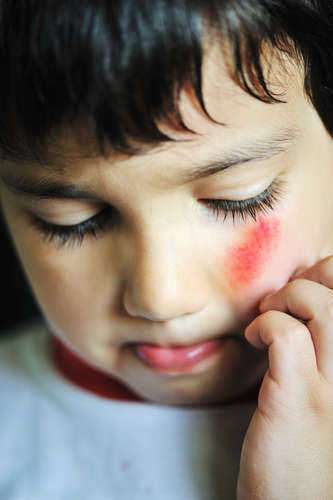
Statistics on child abuse indicate that Shaken Baby Syndrome crosses all racial, socioeconomic, and gender barriers. An individual who is responsible for subjecting a child to this type of abuse, as well as the child who has suffered from it, may be of any class, race, ethnicity, or sex. Anyone can become frustrated with a child and resort to aggressive methods to quiet them.
Child abuse statistics show that over half of the individuals who are responsible for violently shaking a child are one of the infant's parents. This is most likely because a child's parents spend the most time with the child. They are with the infant every day for the majority of the day, and they may become annoyed and frustrated because they do not receive a break from a crying child. A parent has little time to relax when they are caring for an infant.
Statistics on child abuse show that, next to a child's parents, a mother's boyfriend or another non-relative are most frequently responsible for forcefully shaking a child. About three quarters of the individuals who subject a child to Shaken Baby Syndrome are male. These individuals may be the father of the child, a mother's boyfriend, or one of the child's male relatives.
Child abuse statistics also indicate that male infants are slightly more likely to experience violent shaking than female children. The statistics on child abuse, and the facts regarding Shaken Baby Syndrome, help to illustrate the severity of Shaken Baby Syndrome. Education is essential for preventing this fatal syndrome.