All You Need to Know About The Federal Government Role on Child Abuse Laws
📅 2026 Update: Recent Changes in Child Abuse Laws
Since the original article was written, significant changes have taken place in child abuse laws across the United States. These changes reflect a growing commitment to protecting children and holding offenders accountable. The updated information below highlights key developments in legislation and funding that readers should be aware of.
The original article continues further down the page for more background and context.
🆕 📅 Statute of Limitations for Child Sexual Abuse
As of 2026, at least 19 states have completely eliminated civil statutes of limitations for child sexual abuse claims. Additionally, 44 states have removed criminal time limits for felony child sex offenses. This means survivors now have more time to seek justice against their abusers.
💰 📊 Federal Funding for Child Abuse Prevention
In fiscal year 2026, funding related to the Child Abuse Prevention and Treatment Act (CAPTA) amounts to approximately $212 million. This funding supports state grants, community-based prevention programs, and research aimed at reducing child abuse and its effects.
📈 🔍 Investigation of Child Abuse Cases
The CAPTA requires states to develop programs that enhance the assessment and investigation of suspected child abuse cases. This includes specific measures for cases involving suspected child sexual abuse and exploitation, ensuring a more thorough approach to investigations.
📞 🌍 Childhelp National Child Abuse Hotline
The Childhelp National Child Abuse Hotline remains a vital resource. It operates 24/7 in over 170 languages, offering support and resources for individuals affected by child abuse. This hotline provides a safe space for victims and concerned individuals to seek help.
📌 🔑 Key Points Summary
- 19 states eliminated civil statutes of limitations for child sexual abuse.
- 44 states removed criminal time limits for felony child sex offenses.
- $212 million allocated for CAPTA-related programs in 2026.
- Enhanced investigative programs for suspected child abuse cases.
- Childhelp hotline offers support in 170 languages.
💡 Tips for Understanding Child Abuse Laws
Review the details of your situation with your attorney. Understanding the laws surrounding child abuse can be complex.
📜 👩⚕️ Know Mandatory Reporting Requirements
Certain professionals, including healthcare providers, educators, and social workers, are legally obligated to report suspected child abuse. Being aware of these requirements can help ensure that abuse is reported promptly.
🕒 ⏳ Act Quickly on Reporting
When you suspect child abuse, it's important to report it as soon as possible. Delays can hinder investigations and put the child at greater risk.
📞 🆘 Use Available Hotlines
If you suspect abuse or need information, consider contacting the Childhelp National Child Abuse Hotline. They provide access to resources and support for individuals in need.
💵 🏛️ Understand Funding for Prevention Programs
The CAPTA funding supports various community-based programs aimed at preventing child abuse. Familiarizing yourself with these programs can help you access crucial support resources.
🧑⚖️ 📋 Be Informed About Legal Changes
Stay updated on changes in laws regarding child abuse. Knowing the current statutes of limitations can empower survivors and advocates in seeking justice.
🏆 Free Options Ranked by User Reviews (2026)
No national paid service in this area met the review threshold, so this section lists free government and nonprofit resources available to help those affected by child abuse.
🥇 1. Childhelp National Child Abuse Hotline
The Childhelp National Child Abuse Hotline operates around the clock, offering support and resources for anyone affected by child abuse. It serves as a critical lifeline, providing information and guidance to callers in need.
🥈 2. Local Child Protective Services
Local Child Protective Services (CPS) agencies are available in every state. They investigate reports of child abuse and neglect, providing necessary interventions and support to protect children.
🥉 3. State Attorney General’s Office
Many state attorney general's offices have resources dedicated to child protection. They often provide information on legal rights, available services, and how to report suspected abuse.
4️⃣ National Center for Child Abuse and Neglect
The National Center for Child Abuse and Neglect offers resources and research related to child abuse prevention. They work to improve services and policies to protect children effectively.
5️⃣ Community-Based Prevention Programs
Many communities have local prevention programs funded by CAPTA. These programs aim to educate families and individuals about child abuse prevention and support available resources.
🔎 What to Check Before Paying for Help
- ✅ Understand the qualifications of any service.
- 📋 Confirm the service's focus on child abuse issues.
- 💬 Read reviews from other users for credibility.
- 🔍 Verify if the service provides free options.
- 🕒 Check for any hidden fees or costs.
❓ Frequently Asked Questions
❓ What constitutes child abuse under federal law?
Under federal law, child abuse is defined as any recent act or failure to act by a parent or caretaker that leads to serious harm, sexual abuse, or exploitation, or that creates an imminent risk of serious harm to a child.
📞 How can I report suspected child abuse?
You can report suspected child abuse to designated agencies or local Child Protective Services. Professionals like healthcare providers and teachers are required to report it as soon as possible.
🏛️ What changes have occurred in child abuse laws recently?
As of 2026, many states have eliminated statutes of limitations for civil and criminal child sexual abuse claims, allowing more time for survivors to seek justice.
🆘 What resources are available for victims of child abuse?
Victims can reach out to the Childhelp National Child Abuse Hotline for support, as well as local Child Protective Services and community-based prevention programs.
⏳ What is the importance of the Child Abuse Prevention and Treatment Act (CAPTA)?
CAPTA provides federal funding aimed at preventing child abuse and neglect. It supports state grants and community programs that help protect children and provide necessary resources.
📚 How can I stay informed about child abuse laws?
You can stay informed by following updates from local and federal government sources, as well as monitoring resources like the National Center for Child Abuse and Neglect.
⚖️ Recent Court Cases on Child Abuse
Recent court rulings have highlighted the evolving landscape of child abuse laws and enforcement. These cases emphasize the importance of protecting children and holding offenders accountable.
- Florida court rules on appeal from child in legal caseDistrict Court of Appeal of Florida · November 3, 2021
- Florida court affirms ruling in case involving J.D.R., childDistrict Court of Appeal of Florida · November 3, 2021
- Florida court upholds juvenile offender's sentence appealDistrict Court of Appeal of Florida · November 17, 2021
- Florida court rules on child custody case involving fatherDistrict Court of Appeal of Florida · November 19, 2020
For more recent rulings, please check more rulings on the news page.
End of October 2026 Update
The Federal Government does not have the ability to enforce child abuse laws. However, Federal law does affect State laws on child abuse.
How Federal Law Affects States Child Welfare Systems
The Federal Government does not have the ability to make child abuse laws for specific states. It is a State's job to create and enforce child abuse laws in their jurisdiction. However, the Federal Government continues to have a very large impact on the child abuse laws that exist in every State throughout the United States.
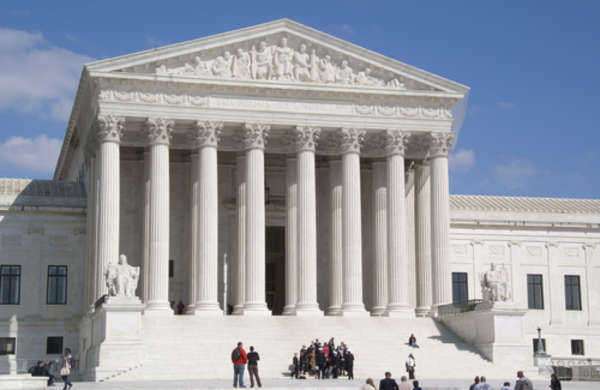
This is because many states rely on Federal funding, usually in the form of grants, in order to establish and maintain child abuse education and prevention programs, as well as efficient and successful systems for providing children with protection from child abuse.
In order for a State to obtain these grants, the Federal Government can require that the State meet certain eligibility requirements. These eligibility requirements often involve the establishment of specific child abuse laws and specific policies and procedures related to child abuse. If a State does not have the laws or procedures that are required by the Federal Government, then a State will be denied Federal funding.
If a State receives funding and does not continue to meet the requirements set forth by the Federal Government, then the financial assistance can be withdrawn. In this way, the Federal Government can influence and control the types of child abuse laws that are instituted by varying states. This is known as the power of the purse string.
Child Abuse Prevention and Treatment Act
When the Child Abuse Prevention and Treatment Act was passed in 1974, it was the first time that the Federal Government took a stand in recognizing, preventing, and providing treatment for abuse. The Act was aimed at increasing family stability and decreasing instances of child abuse in the United States. The Act provided Federal investment in child abuse research in order to better understand the factors surrounding child abuse.
The Child Abuse Prevention and Treatment Act was responsible for establishing The National Center on Child Abuse and Neglect, which was responsible for determining which topics needed to be focused on, as well as what areas should be at the center of future research. The Act also developed the National Clearing House of Child Abuse and Neglect Information, which was the center for collecting research, data, and documents related to child abuse and child abuse prevention.
This Act began the development of Federal grants in order to assist with preventing child abuse and providing abused children with protection. Since it was developed, the Child Abuse Prevention and Treatment Act has been revised many different times in order to assure that it is effective in protecting children and preventing further abuse.
Child Abuse Amendments of 1984
The Child Abuse Amendments of 1984 were created in order to increase the effectiveness and the scope of the Child Abuse Prevention and Treatment Act. These Amendments were developed due to the increase in infant deaths due to medical neglect. Medical neglect occurs when a child is refused access to healthcare or to treatment when they are suffering from an illness or an injury.
Medical neglect can be fatal to a child. In many cases, parents who have given birth to a child who has a mental illness or disability that is accompanied by a life threatening condition would often refuse to provide the child with medical treatment for the condition because the child's quality of life will not improve. This will often result in the death of the child.
The Child Abuse Amendments of 1984 provided funding for research related to children who have been subjected to medical neglect. The Amendments made it mandatory for states to develop an effective system of responding to reports of medical neglect. The Child Abuse Amendments of 1984 were extremely controversial. They were only in place for a short period of time before they were overturned by the Federal court.
Child Abuse Prevention, Adoption, and Family Services Act of 1988
The Child Abuse Prevention, Adoption, and Family Services Act of 1988 was responsible for revising the Child Abuse Prevention and Treatment Act of 1974. It sought to raise awareness of child abuse, child abuse warning signs, and effects of abuse.
Child Abuse, Domestic Violence, Adoption, and Family Services Acts of 1992
The Child Abuse, Domestic Violence, Adoption, and Family Services Acts of 1992 is the first revision to the Child Abuse Prevention and Treatment Act that recognized the importance of cultural differences. The understanding and use of child abuse and neglect varies a great deal from culture to culture. Many cultures implement the use of discipline in different ways.
Child Abuse Prevention and Treatment Amendments of 1996
The Child Abuse Prevention and Treatment Amendments of 1996 were developed in order to provide attention to some problems and concerns presented by the Child Abuse Prevention and Treatment Act of 1974. The Amendment addressed the growing concern regarding failure to respond to child abuse reports or inadequately responding to reports. Due to the immunity and anonymity of the individuals who call to report suspected child abuse, false reporting became a frequent occurrence.
The 1996 Amendment also confronted concerns about the delayed abolition of parental rights to a child once the child has been determined to be suffering from abuse. The Child Abuse Prevention and Treatment Amendments of 1996 terminated the National Clearinghouse on Child Abuse and Neglect Information and instituted the Office on Child Abuse and Neglect.
The 1996 Amendment upheld many of the Acts and Amendments that were previously developed by the Federal Government, including the Adoption Opportunities Act and the Victims of Child Abuse Act. It also publicized a minimum definition of child abuse, so that all individuals know what behavior is considered to be abusive. It is the first Amendment that recognized a parent's right to refuse medical treatment for a child based on religious beliefs.
Child Abuse Prevention and Enforcement Act of 2000
The Child Abuse Prevention and Enforcement Act of 2000 attempted to create effective methods of resolving the problem of inadequate response to child abuse reports. Many reports of child abuse were not being investigated thoroughly, and many cases of suspected child abuse were not being investigated at all.
In order to remedy this, the Federal Government permitted State law enforcement agencies access to Federal law enforcement funds. This financial assistance was to be used in order to enhance and to further develop State criminal justice systems so that they may effectively respond to reports of abuse. The funds may also be used in order to develop educational programs that are aimed at education.
Keeping Children and Families Safe Act of 2003
The Keeping Children and Families Safe Act of 2003 ensured that Federal grants continued to be provided to states in order to ensure that the victims of child abuse were provided with access to adequate treatment. It also aimed to ensure that financial assistance was available so that states could develop programs that focused on child abuse prevention and child protection.
The Act modified some of the State eligibility requirements for Federal funding and also added new eligibility requirements in order to receive Federal grants. If a State did not meet the eligibility requirements, then they would not be awarded financial assistance from the Federal Government.
States that do meet the eligibility requirements will receive funding for improving and enhancing child abuse programs, such as the Abandoned Infants Assistance program. The financial assistance could also be used in order to improve technology that may assist in child abuse cases. The Keeping Children and Families Safe Act of 2003 provided eligible states with millions of dollars of financial assistance every year in order to assist in preventing and ending child abuse.