All You Need to Know About Child Abuse in Court
📅 2026 Update: Recent Changes in Child Abuse Laws
Since the original article was published, there have been no specific updates on child abuse laws in the United States. However, the landscape around child protection, custody, and related legal matters continues to evolve. The earlier article provides a foundation of knowledge and will remain further down this page.
📜 Changes in Child Abuse Reporting Laws
New laws have been introduced to improve how child abuse cases are reported. States are increasing the training for professionals who encounter abuse, like teachers and doctors. This aims to ensure that more cases are reported promptly, allowing for quicker intervention.
🏛️ Legislative Updates on Parental Rights
Recent changes have focused on parental rights in custody situations. Courts are becoming more aware of the impact of child abuse allegations on parenting time. New guidelines help judges consider the welfare of the child more thoroughly, especially when there are allegations of abuse.
👨⚖️ Increased Support for Victims
Support systems for victims of child abuse are being strengthened. Some states have expanded funding for child advocacy centers. These centers provide resources like counseling and legal help for affected children and their families.
🕒 Timelines for Court Proceedings
The timelines for handling child abuse cases in court are changing. Many jurisdictions are working to reduce the time it takes to resolve these cases. This is important for ensuring that children can find stability and safety as quickly as possible.
📌 Key Points to Remember
- 📜 New laws improve child abuse reporting.
- 🏛️ Parental rights guidelines are evolving.
- 👨⚖️ Increased support is available for victims.
- 🕒 Court proceedings are becoming faster.
- ⚖️ Ongoing changes aim to protect children better.
💡 Tips for Navigating Child Abuse Cases
It is important to go over the details of your situation with your attorney.
📝 Understand Your Rights
Knowing your legal rights is crucial in child abuse cases. Familiarize yourself with local laws regarding custody and child protection. This will help you understand what to expect during any legal proceedings.
📞 Seek Immediate Help
If you suspect child abuse, reach out to local authorities or child protective services right away. Quick action can be vital in ensuring the child's safety. Many resources are available for reporting and getting assistance.
🏛️ Document Everything
Keep detailed records of any incidents or evidence related to child abuse. This can include photographs, medical records, or witness statements. Thorough documentation can support your case in court.
👥 Utilize Support Services
Make use of local advocacy groups and support services. These organizations can provide crucial resources and emotional support. They often have experience with child abuse cases and can guide you through the process.
📚 Educate Yourself on Resources
Learn about the various resources available for victims of child abuse. Many communities have hotlines and counseling services specifically tailored to support affected children and families.
❓ Frequently Asked Questions
📋 What should I do if I suspect child abuse?
If you suspect child abuse, contact local authorities or child protective services immediately. Timely reporting can protect the child from further harm.
📞 How can I find legal help regarding child abuse?
You can look for legal assistance through nonprofit organizations, state bar associations, or online legal services. Many resources are available that specialize in child protection and custody issues.
📖 What are the signs of child abuse?
Signs of child abuse can include unexplained injuries, sudden changes in behavior, withdrawal, and fear of going home. Observing these signs is crucial for taking action.
🏛️ How does the court handle child abuse cases?
The court aims to prioritize the child’s safety and wellbeing. This often involves investigations, hearings, and may include appointing a guardian ad litem to represent the child's interests.
👨👩👧 What are my rights as a parent in custody cases involving abuse?
As a parent, you have the right to seek protection for your child and to present evidence of abuse in court. Understanding these rights is key to navigating custody disputes effectively.
🏆 Can children testify in abuse cases?
Yes, children can testify in abuse cases, but courts often take extra precautions to ensure it is done sensitively. The child's age and emotional state will be considered to avoid further trauma.
⚖️ Recent Court Cases Related to Child Abuse
Recent court rulings highlight how child abuse cases are addressed in the legal system. These rulings can impact child custody, protective orders, and the rights of parents in such cases.
- Florida court affirms juvenile sentencing decisionDistrict Court of Appeal of Florida · May 20, 2020
- Florida court upholds sentences for juvenile offendersDistrict Court of Appeal of Florida · May 20, 2020
- Court upholds ruling in D.C. v. Department of Children caseDistrict Court of Appeal of Florida · July 1, 2020
- Florida court rules on child custody case involving motherDistrict Court of Appeal of Florida · September 9, 2020
End of October 2026 Update
When an individual is accused of child abuse they may feel confused and scared. Many individuals are falsely accused of subjecting a child to abuse or neglect. In situations such as this, it is essential that an individual locate a child abuse lawyer that they trust to represent their case. They may face extremely serious charges. For example, an individual who is responsible for exposing a child to abuse may face a felony charge. These charges will remain on an individual’s record for a long period of time. It will follow them for the rest of their lives and may prevent them from being permitted to work in specific jobs or locations.
The alleged offender is not the only individual who needs to have representation in a child abuse case. Many states require that a child be provided with assistance from an individual who will be able to represent the child's desires and their best interests. This individual will be required to provide the court with recommendations regarding what will be best for the child.
Charges
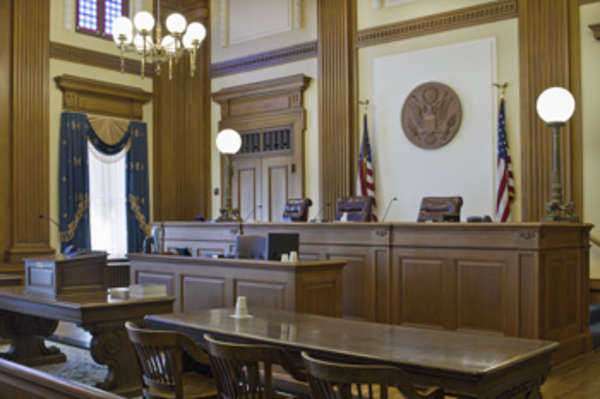
Individuals who are accused of subjecting a child to physical abuse, sexual abuse, emotional abuse, or neglect must undergo an extremely thorough legal process in order to determine whether or not they are responsible for the alleged abuse. Child abuse can be tried in either a civil court or a criminal court.
The charges that an individual will face for their behavior and their actions will depend on the State in which they reside. Each State is responsible for determining what actions and behaviors constitute what type of charge, as well as what class of charge. An individual who is responsible for subjecting a child to abuse may face one of two charges. They will either be charged with a misdemeanor or a felony. The charge will often depend on the type of abuse that was inflicted upon a child, as well as the severity of the abuse.
Within each of these types of charges, there are varying classes, which delineate the severity of the charge. Each State is responsible for determining the punishment that an individual will receive if they are convicted of either of these charges. The punishment will vary based on the charge, as well as the class of the charge.
Attorneys
Thousands of individuals face child abuse allegations every year, and many times these accusations are false. Child abuse is an extremely severe crime. Individuals who are convicted of child abuse may be forced to pay extensive fines or they may have to serve numerous years in prison. A child abuse charge will follow an individual for the rest of his/her life. Therefore, it is essential that an individual who is facing a child abuse allegation locate a child abuse attorney.
A child abuse attorney will have a great deal of experience dealing with similar cases and they will have become accustomed to being around and speaking with children. An attorney who specializes in child abuse will be familiar with the court proceedings and will know what to expect during a child abuse case. They will also know a few tips and tricks that will help ensure that an individual who is being tried for child abuse will receive a fair trial.
Families who have experienced child abuse will need to find a successful prosecutor so that they may make an effective case against the individual who is responsible for subjecting a child to abuse. Many associations have been developed in order to increase the efficiency and success of prosecuting attorneys in child abuse cases.
Implications of Indictment
Child abuse is a very serious allegation and an individual who has been accused of child abuse may experience long term negative consequences of this accusation. Individuals who have exposed a child to sexual abuse, physical abuse, emotional abuse, or neglect may not be able to be trusted with children. These individuals are generally not concerned with the safety and the well-being of a child. Therefore, an individual who has been convicted of child abuse may have his/her children removed from their house and placed in the foster care system. This is done for the safety and the protection of the child.
If an individual's friends or relatives become aware that the individual has been accused of child neglect, they may no longer trust that individual to be around or spend time with their children. Child abuse allegations may cause a person who has been convicted of abuse to become estranged from his/her family or friends.
An individual who has inflicted abuse upon a child will not be able to work in a job in which they will have contact with children. A child abuse offense will stay on an individual's record for a long time and may continue to be detrimental to an individual's future for the rest of their life.
Representation of Child in Legal Proceedings
It is extremely important that a child who is involved in a child abuse case have someone to represent their wishes and their best interests. Therefore, many states have instituted policies in which a child must be appointed with a guardian ad litem, an attorney, or a court-appointed special advocate. Many states require that a child have access to a combination of these professionals in order to ensure their well-being and protection.
An individual who is responsible for representing a child in a child abuse case will often be required to undergo formal training or attend educational programs in order to ensure that they have obtained all of the knowledge that they will require in order to adequately represent a child. A guardian ad litem will often be responsible for carrying out investigations and interviews in order to determine what the child has experienced, as well as what the best action for the child would be. These professionals are required to provide the court with suggestions about what will be best for the child and the child's future.